Themes
Business
Talent
At the park
Communities
Jobs & internships
Events
News
Contact


Scientists have successfully tested a new medication that could represent a breakthrough in the treatment of heart disease.
Researchers at Leiden University Medical Center (LUMC) have successfully tested a drug in mice that could transform the treatment of cardiovascular disease. The drug, called IC7Fc, significantly reduced blood cholesterol and triglyceride levels, slowed the progression of atherosclerotic lesions, and improved metabolic markers, including insulin levels.
IC7Fc was developed to target the IL-6 signaling pathway, which plays a role in preventing type 2 diabetes. Milena Schönke, a researcher at LUMC, describes the new drug as “a key that opens only the beneficial doors of IL-6.” Interleukin-6 (IL-6) is a signaling molecule that supports the immune system but can also trigger inflammation and disrupt glucose and lipid metabolism if not properly regulated. IC7Fc ensures that only the valuable functions of IL-6 are activated, thereby avoiding its harmful effects.
Atherosclerosis, the underlying cause of most cardiovascular diseases, involves the buildup of cholesterol in the walls of blood vessels, leading to plaque formation. This condition can result in serious complications such as coronary heart disease and stroke. While preventive treatments often focus on risk factors like high blood pressure and cholesterol, IC7Fc takes a more direct approach.
A new approach to heart disease
The study, a collaboration between Monash University in Australia and Leiden University Medical Center (LUMC) in the Netherlands, used female APOE*3-Leiden.CETP mice, a model that is prone to developing atherosclerosis. The mice were administered IC7Fc while being fed a high-cholesterol Western diet for seven weeks.
In mouse models, treatment with IC7Fc led to a significant reduction in blood cholesterol levels and fewer plaques than treatment with statins. Mice treated with IC7Fc showed approximately 84% fewer atherosclerotic lesions compared with control groups. This effect is attributed to IC7Fc’s ability to improve the liver’s efficiency in cholesterol distribution and reabsorption, thereby reducing cholesterol production and increasing its conversion into bile acids.
As a result, the drug not only lowered plasma triglyceride and total cholesterol levels but also reduced the development of atherosclerotic lesions and vascular inflammation more effectively than current therapies. In addition, the drug was found to improve insulin sensitivity, offering a dual benefit: reducing obesity and protecting the heart.
A potential two-in-one solution
Although the results are promising, researchers emphasize that further studies are needed to fully understand the long-term effects of IC7Fc on liver health and immunity. The initial findings, however, suggest that IC7Fc could represent a significant advance in the treatment of not only atherosclerosis but also related metabolic disorders such as type 2 diabetes. As Professor Mark Febbraio of the Monash Institute of Pharmaceutical Sciences noted, IC7Fc offers a potential “two-in-one” solution by addressing both heart disease and diabetes, thereby tackling multiple risk factors at the same time.
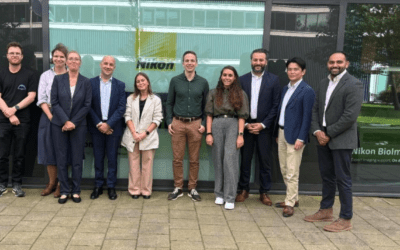
[Amsterdam, 15th December 2025] — Nikon BioImaging Lab Europe (NBIL) is delighted to announce that it has been honoured with the prestigious Deshima Award in the “Newcomer”...
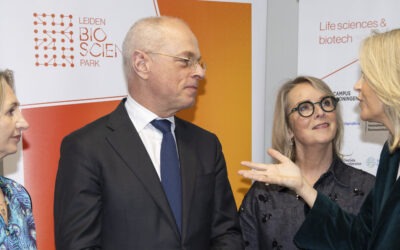
The publication of the Wennink Report has led to extensive national and regional media coverage on the role of red biotechnology in the future of the Dutch economy and healthcare...

On December 11th Leiden Bio Science Park participated in the International Talent in South Holland Conference, an inspiring event that marked the launch of a new regional...