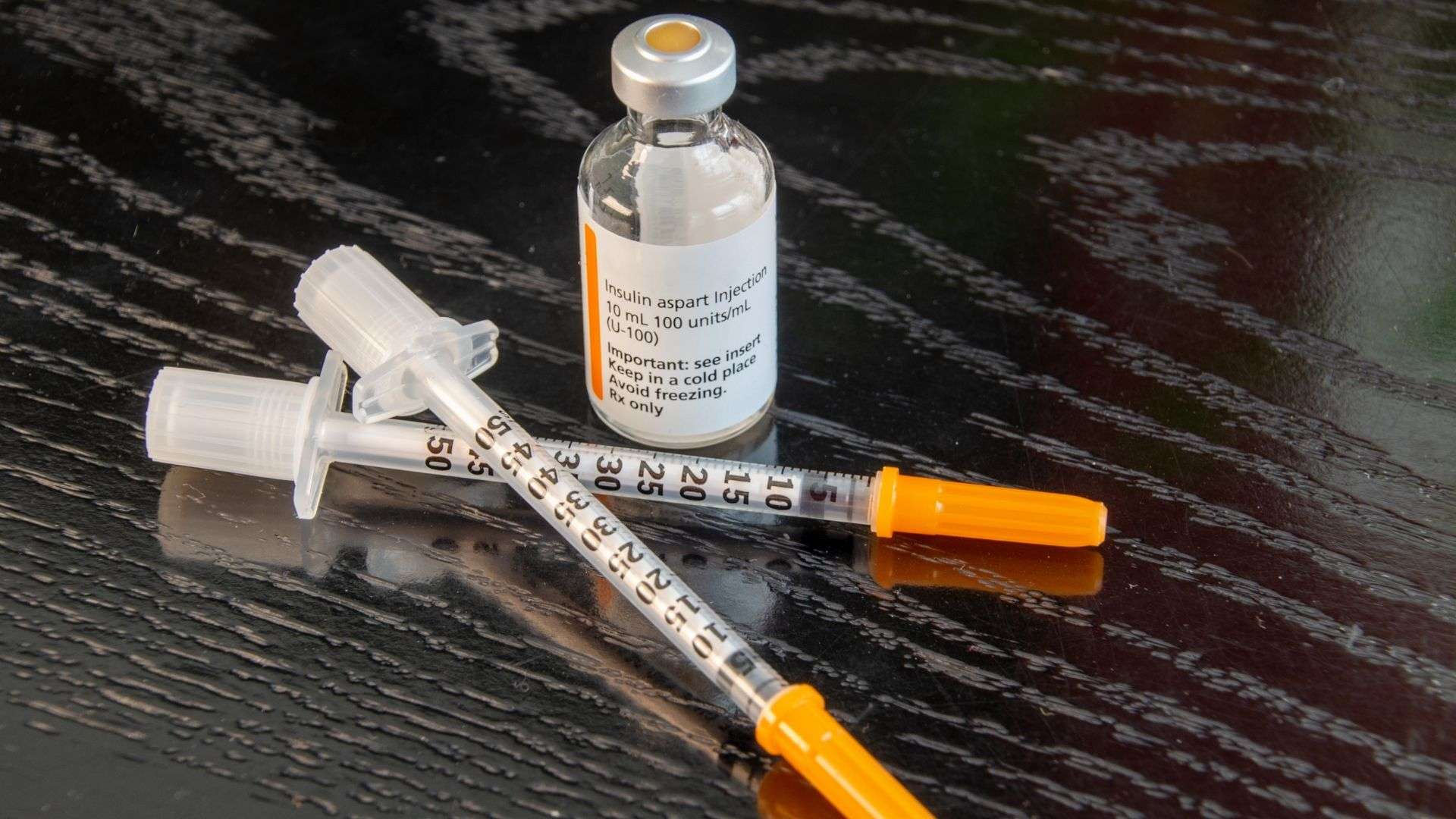
Researchers at the Leiden University Medical Center (LUMC) have announced promising early results from a clinical trial using lab-grown insulin-producing islet cells derived from human stem cells. In this phase 1–2 study involving a small group of patients with severe type 1 diabetes, most participants became insulin independent within one year following the cell infusion.
Two-thirds of the patients stopped insulin injections entirely, while others saw significant reductions. The implanted cells, placed under the skin, responded to blood glucose levels by producing insulin, effectively replicating pancreatic function.
However, this research remains in early stages. Key questions remain unresolved: how long the effect lasts, how to avoid lifelong immune suppression currently needed to prevent cell rejection, and whether the treatment can be scaled for broader patient use.
This study is part of an international collaboration and was recently published in The New England Journal of Medicine. It is also closely tied to the establishment of Cure One, a new research centre at LUMC dedicated to accelerating cell-based therapies for diabetes and other diseases
All of us at Leiden Bio Science Park are proud to have institutions like LUMC in our community, driving forward science with real-world impact. Their work exemplifies what’s possible when clinical expertise, fundamental research, and innovation come together in one ecosystem.