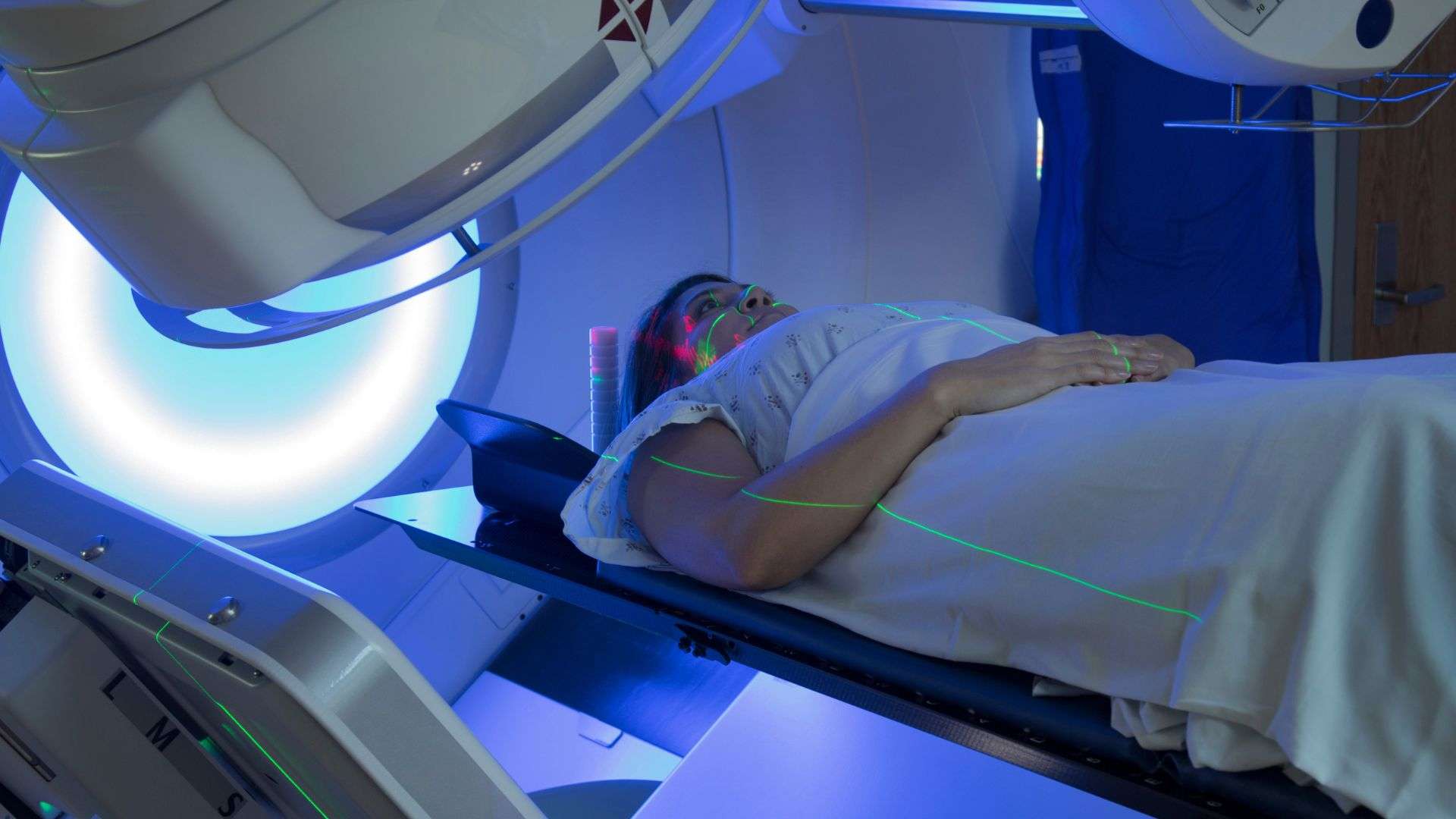
Leiden University Medical Center (LUMC) has successfully implemented artificial intelligence (AI) to optimize radiotherapy planning for patients with head and neck cancer. This has led to significant time savings and improved protection of healthy tissues during treatment.
Traditionally, creating a radiotherapy plan involves manually delineating tumors and surrounding organs on CT scans. This is a meticulous process requiring high precision, especially when tumors are adjacent to sensitive structures like salivary glands and swallowing muscles. LUMC’s adoption of AI automates the delineation of healthy organs, reducing the planning time by approximately 50%. The tumor itself continues to be outlined manually by radiotherapists to ensure accuracy.
The AI system, trained on thousands of previous treatment plans, provides initial proposals for radiation dosing. Radiation technologists then review and fine-tune these plans, which are often already close to optimal, thereby streamlining the overall process.
This not only accelerates treatment preparation but also enhances the precision of radiation delivery, minimizing exposure to healthy tissues and potentially reducing side effects for patients.
Read more here