Leiden, 5 April 2026 at 12:12 p.m. by the editorial team
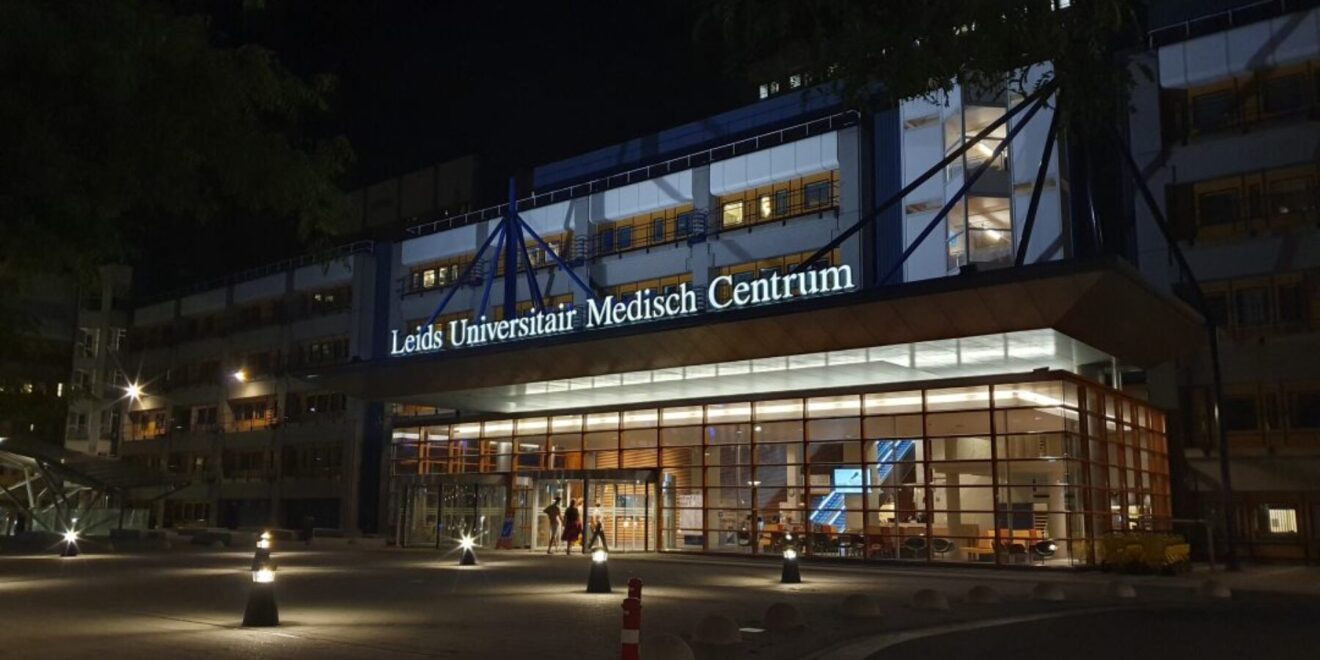
Leiden University Medical Center (LUMC) is the first hospital in the region to use an innovative catheter-based treatment for patients with a severe pulmonary embolism. Thanks to a combination of medication and ultrasound, patients recover faster and the risk of death is reduced. This is shown by international research in which LUMC played a leading role.
In a pulmonary embolism, a blood clot blocks a vein in the lungs. The standard approach is to administer blood thinners, but these do not dissolve the clot; they only prevent it from growing. The new method tackles the problem directly at its source.
Sound waves
Using a thin tube, the catheter, doctors deliver a low dose of medication directly into the clot. At the same time, inaudible sound waves are emitted. This ultrasound allows the medication to penetrate deeper into the blood clot. As a result, the clot dissolves faster and more effectively than with a regular infusion-based treatment.
The treatment is specifically aimed at a vulnerable group of patients with a severe pulmonary embolism who still have normal blood pressure, but are experiencing a high heart rate and oxygen deficiency. These people are not yet in shock, but they are at high risk of their condition suddenly deteriorating.
Home sooner
The study, which was recently published in the leading journal The New England Journal of Medicine, shows that patients remain more stable after this procedure. Recovery in the first days after diagnosis is significantly smoother, and as a result people can generally leave the hospital sooner.
Every minute counts
According to Erik Klok, professor of internal medicine at LUMC, speed is crucial. “The treatment should take place as soon as possible after diagnosis in order to achieve the best result.” At present, LUMC is the only hospital in the region performing this specialist procedure. “Now that we know this treatment is effective, we can help patients in a much more targeted way. This is an important step forward in pulmonary embolism care,” says Klok.
The hospital is also already investigating a next treatment method for patients who are in an even more critical phase. In this way, Leiden remains an international hub for research into this life-threatening condition.